
MODULE 1 — AWARENESS
Understanding the Product and Its Role in Fire Protection
Discover why low pressure water mist technology is transforming fire protection in data centers — and what makes it fundamentally different from conventional suppression.

A critical digital infrastructure
A data center houses IT equipment used to collect, process, and store data for digital activities. Thousands of servers and cables are stored inside, creating massive power density and a significant risk of overheating.
In today's hyper-connected world, data centers are the beating heart of businesses, institutions, and governments. They store, process, and manage vast volumes of critical information — making them essential, but also highly vulnerable. Even the smallest malfunction can lead to overheating, fire, and severe service disruption. Fire protection is not just a requirement — it is a mission-critical priority.
Areas within a data center
Click each area to learn why it needs dedicated fire protection.

A new approach to an old problem
Traditional fire suppression was designed for warehouses and factories — not for rooms filled with millions of euros worth of sensitive electronics. Data centers demand a fundamentally different approach.
Conventional sprinklers discharge large volumes of water, often causing more damage to servers and cabling than the fire itself. Chemical agents like FM-200 or Novec require pressurized containers, complex maintenance, and raise environmental concerns. Low pressure water mist technology bridges this gap — delivering advanced suppression performance with minimal water, at just 8 bar of pressure, using only potable water.
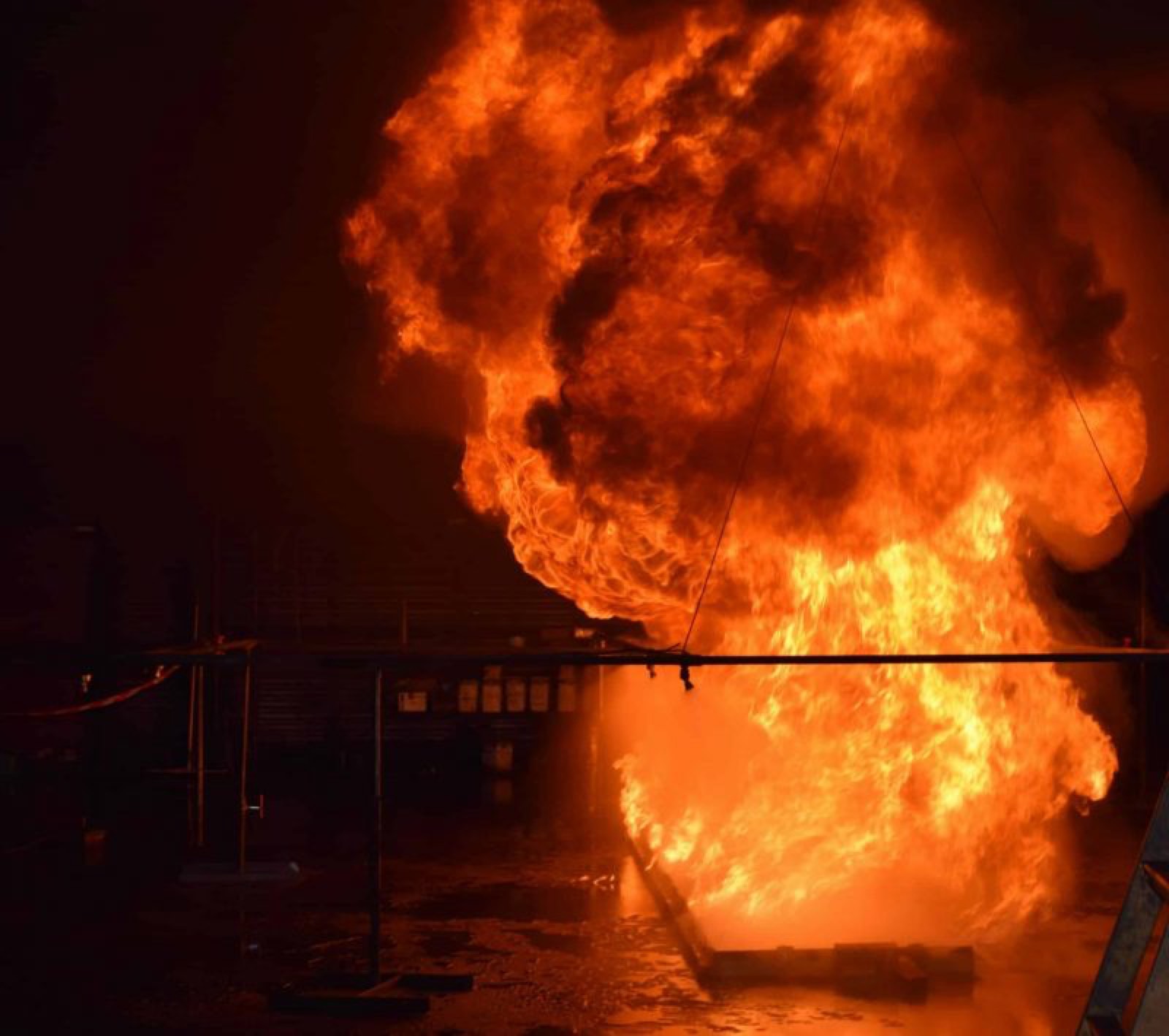
Flip each card to learn more
Act Quickly
Click to flipRapid Response
In a data center, every second counts. Water mist activates quickly and begins cooling immediately, preventing fire escalation before critical infrastructure is compromised.
Click to flip back60-90% Less Water
Click to flipDramatic Water Savings
Low pressure water mist uses 60-90% less water than traditional sprinkler technology. This dramatically reduces water damage to servers and electronic equipment after activation, while also requiring smaller water tanks — freeing up space for server cabinets.
Click to flip backReduce Collateral Damage
Click to flipMinimal Side Effects
Unlike chemical suppression agents or high-volume sprinklers, water mist causes minimal collateral damage. It uses only potable water — no chemicals, no pressurized gas cylinders, no harmful by-products. Equipment can often be restored rather than replaced.
Click to flip backFM Approved Safety
Click to flipTested & Certified
The technology is tested and approved to the highest global standards: FM 5560, NFPA 750, and EN 14972. It is FM approved to protect all critical areas of modern data centers, including data halls using Li-ion batteries.
Click to flip backFire protection is evolving from extinguishing fires to controlling fire impact. In data centers, the goal is not just to stop the flame — but to preserve the infrastructure, protect people, and ensure business continuity.
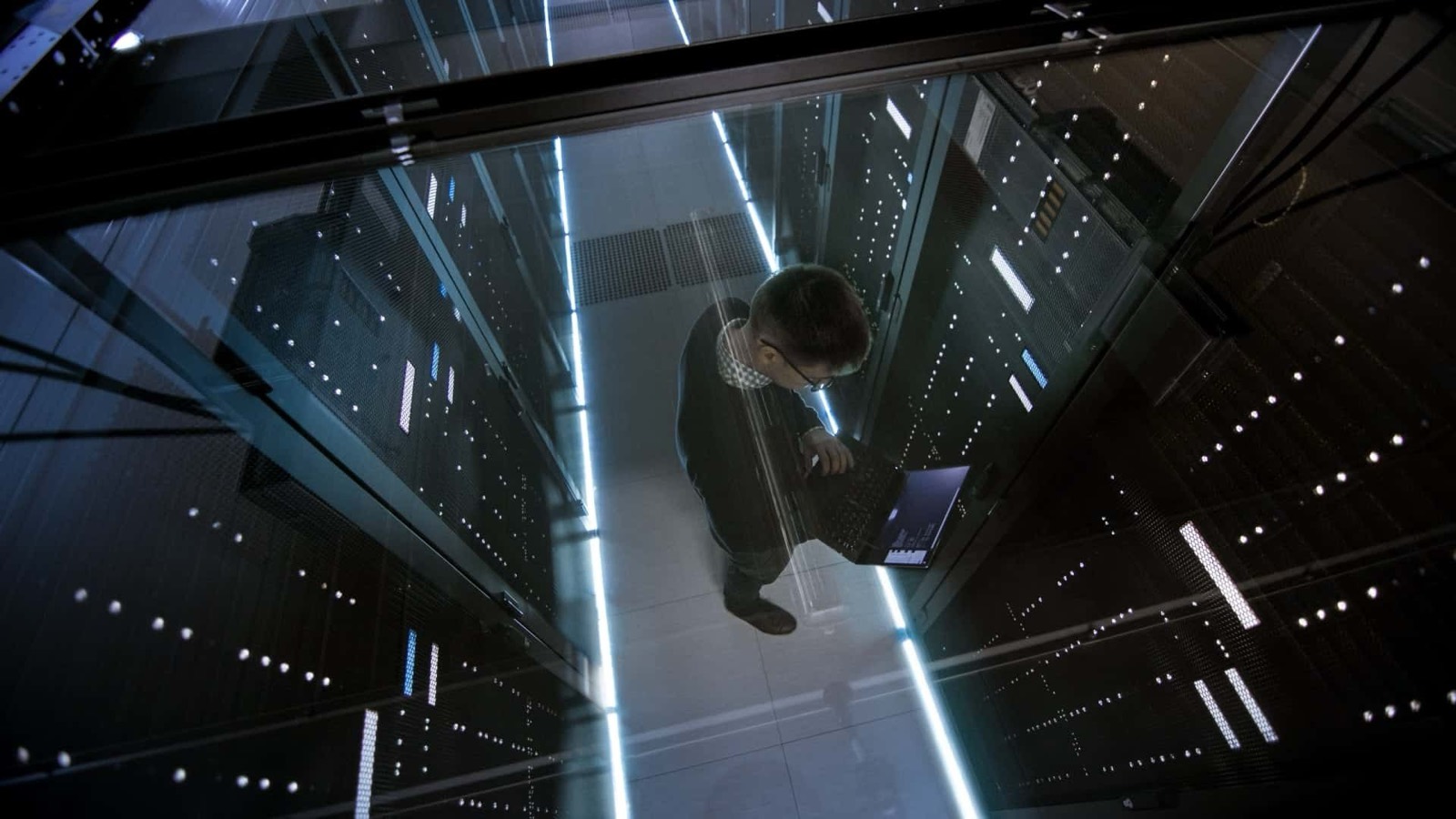
At its core, low pressure water mist is designed for rapid control of heat and fire with minimal side effects — operating at just 8 bar of pressure.
Detect & Respond
Detects developing fire conditions and activates suppression via pre-action control valves.
Interact with Heat
Tiny water droplets absorb heat energy through rapid evaporation — enormous surface area for maximum cooling.
Reduce Intensity
Rapidly lowers fire intensity and temperature. Effective at air velocities up to 8 m/s.
Limit Spread
Zone-based activation confines the fire to its origin, minimizing water exposure elsewhere.
A single water mist droplet can absorb 2,260 kJ/kg when it evaporates — that's over 500 times more energy than simply heating the same water by 1°C. This is why mist is so effective with so little water.
Different fire suppression technologies interact with fire in fundamentally different ways. The choice can directly influence incident severity, recovery time, and lifecycle costs.
How technologies differ
Expand each factor to understand the differences.
Low pressure water mist vs. alternatives
The suppression method can be as important as the fire itself. Choosing the wrong technology may cause more damage than the fire it was designed to fight.
From Volume to Efficiency
The fire protection industry is shifting from large discharge volumes to targeted, efficient suppression — and data centers are leading this change.
Targeted Application
Nozzles engineered for specific room types and mounting configurations deliver suppression exactly where it's needed. Each data center area gets a dedicated nozzle type optimized for that environment.
Higher Efficiency per Unit of Agent
Tiny water droplets provide enormous surface area for heat absorption — achieving more fire control with dramatically less water. The result: 60-90% water savings and smaller water reservoirs.
Reduced Environmental Impact
Uses only potable water. No chemicals, no pressurized gas cylinders, no harmful by-products. Reduces CO2 emissions by up to 70% and has a reduced production footprint.
Lower Infrastructure Demand
Operating at just 8 bar, the system can be designed, installed, and maintained with the same skillset as conventional sprinkler technology — but with fewer nozzles and smaller pipes, saving time and money.
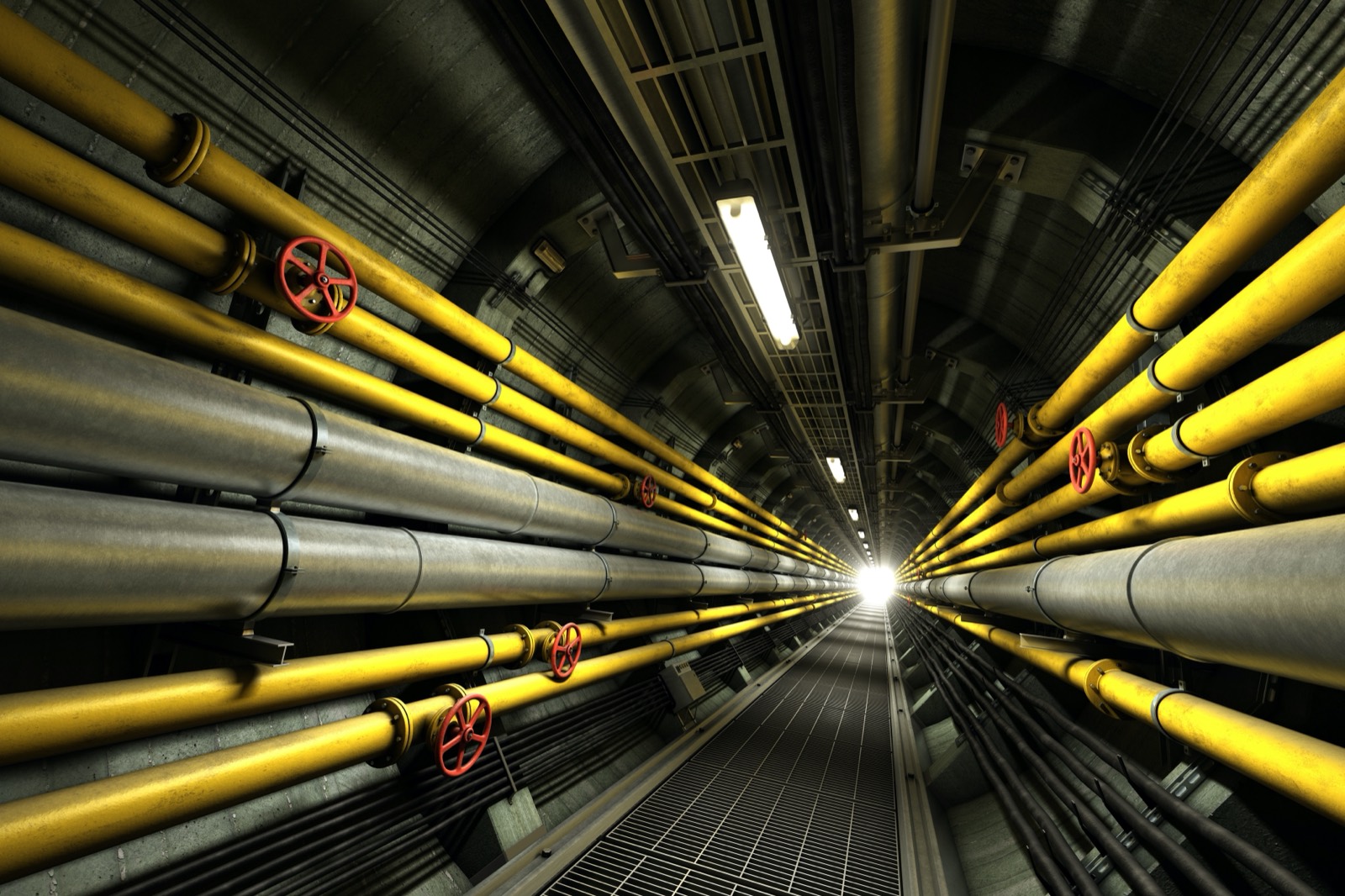
A water mist system requires such small water tanks that the freed-up floor space can be used for additional server cabinets — turning a safety investment into a capacity advantage.
Precision Components
The performance of a water mist system depends heavily on the design of its core components. water mist offers a full range of tested and approved components for every data center area.
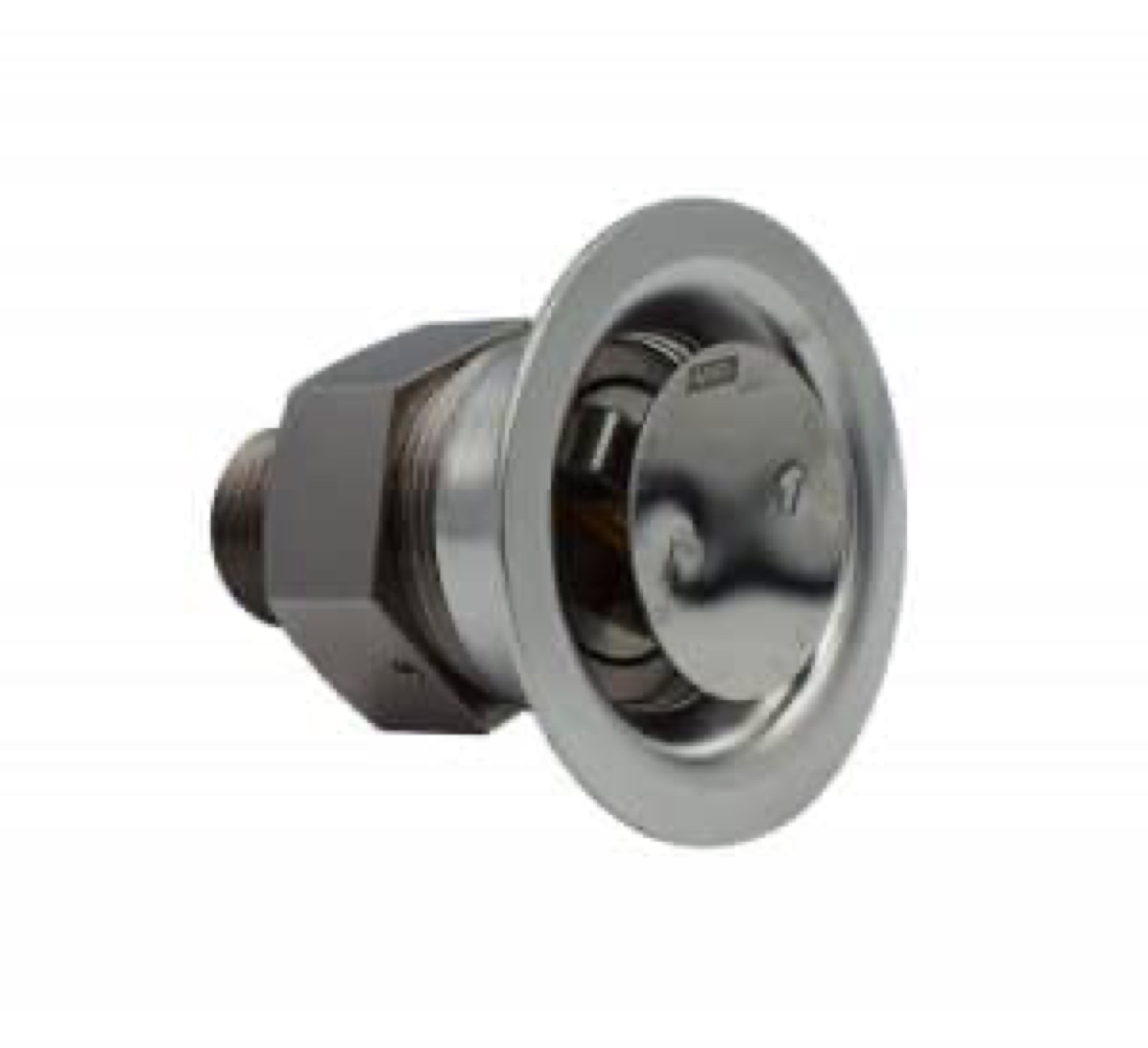
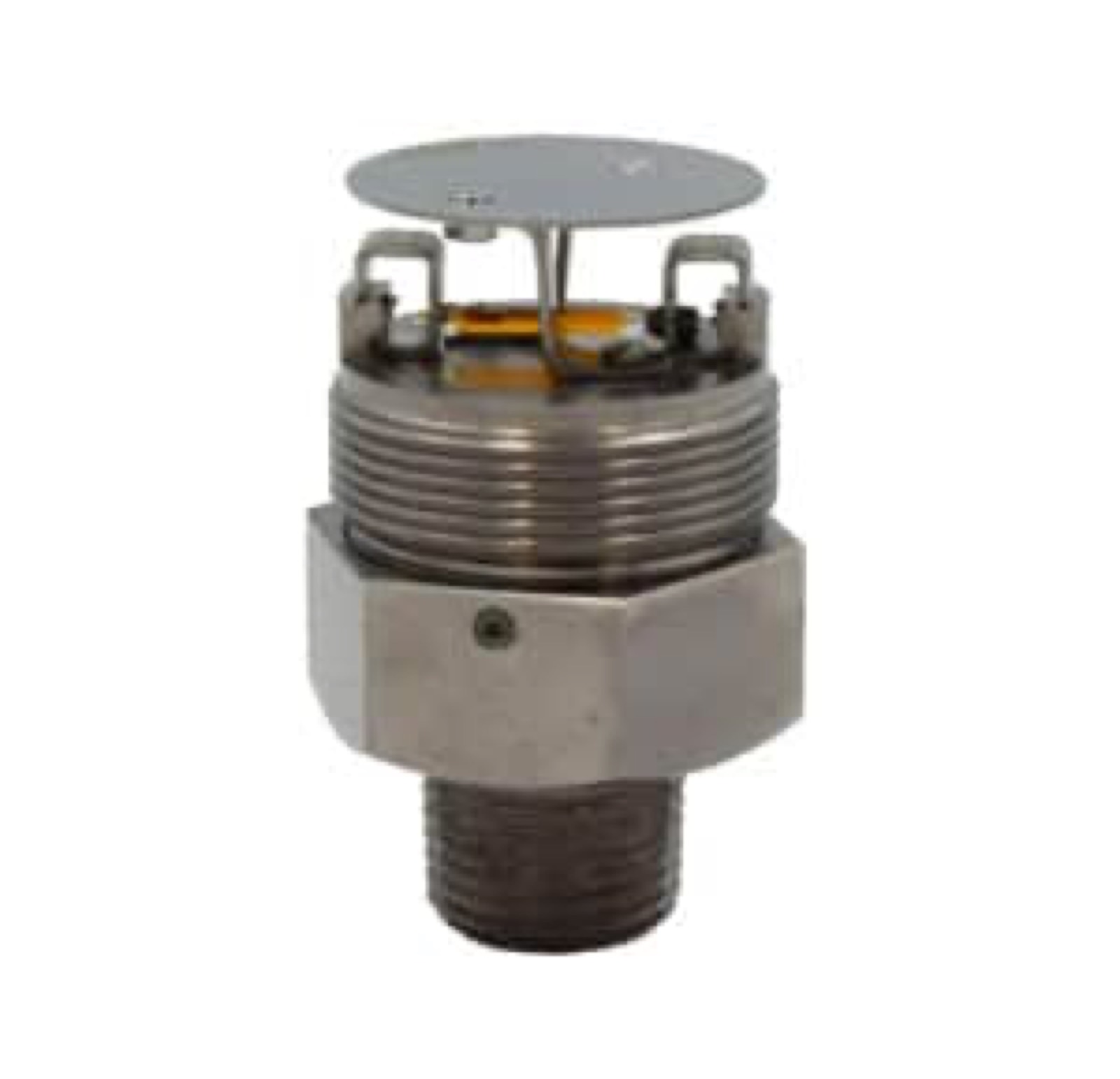
Floor void nozzle Pendent Nozzle
Automatic pendent nozzle for data hall protection above raised floors. FM Approved per FM 5560.
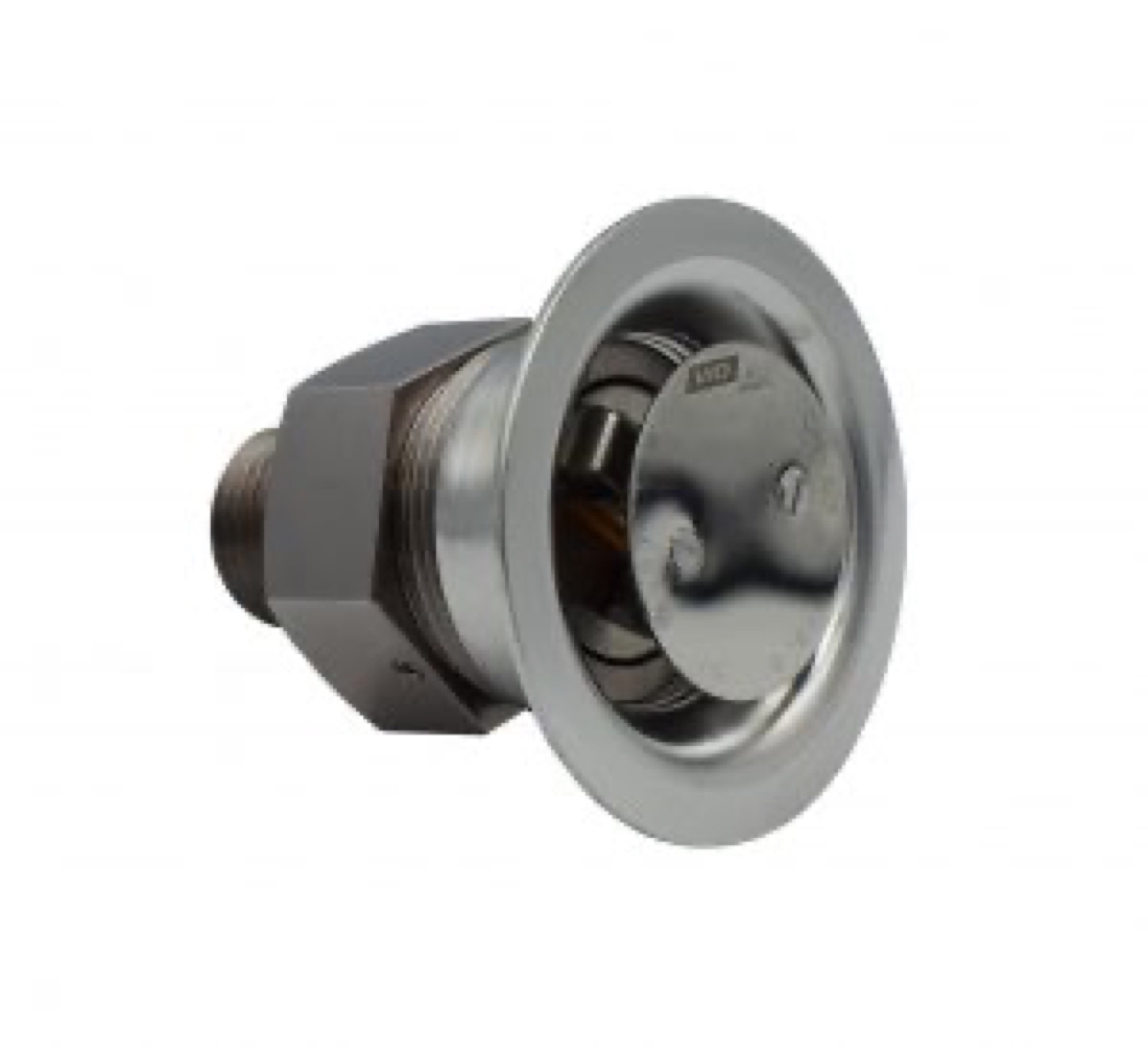
Ceiling void nozzle Upright Nozzle
Automatic upright nozzle for data hall protection below raised floors. Engineered for concealed cable spaces.
High hazard nozzle Nozzle
Designed for HC2/HC3 areas and data halls using Li-ion batteries. FM approved for emerging battery fire risks.
What each component influences
Distribution Patterns
Click to learn moreNozzle geometry determines how water mist is distributed across the protected area. Different patterns are needed for open server halls vs. confined sub-floor spaces. The Floor void nozzle covers areas of up to 3.60m x 3.60m per nozzle.
Click to flip backDroplet Size
Click to learn moreDroplet characteristics directly affect cooling efficiency. Smaller droplets evaporate faster, absorbing more heat energy per unit of water. The optimized K-factor of each nozzle ensures the right droplet size for maximum heat absorption.
Click to flip backResponse Time
Click to learn moreThe pre-action control valve (Model valve unit) monitors dry pipe pressure drops, providing additional false alarm prevention while ensuring rapid activation when a real fire is detected.
Click to flip backCoverage Efficiency
Click to learn morePump pressure, pipe layout, and nozzle spacing work together to ensure complete coverage. Each nozzle is hydraulically designed for specific mounting heights, achieving optimal water usage at just 8 bar across all protection zones.
Click to flip backEvery component in a water mist system is purpose-engineered. From the nozzle geometry to the control valve logic — precision is what separates effective protection from adequate protection.
System-Level Thinking
Fire suppression performance is not defined by a single component, but by how the entire system works together as one integrated solution.
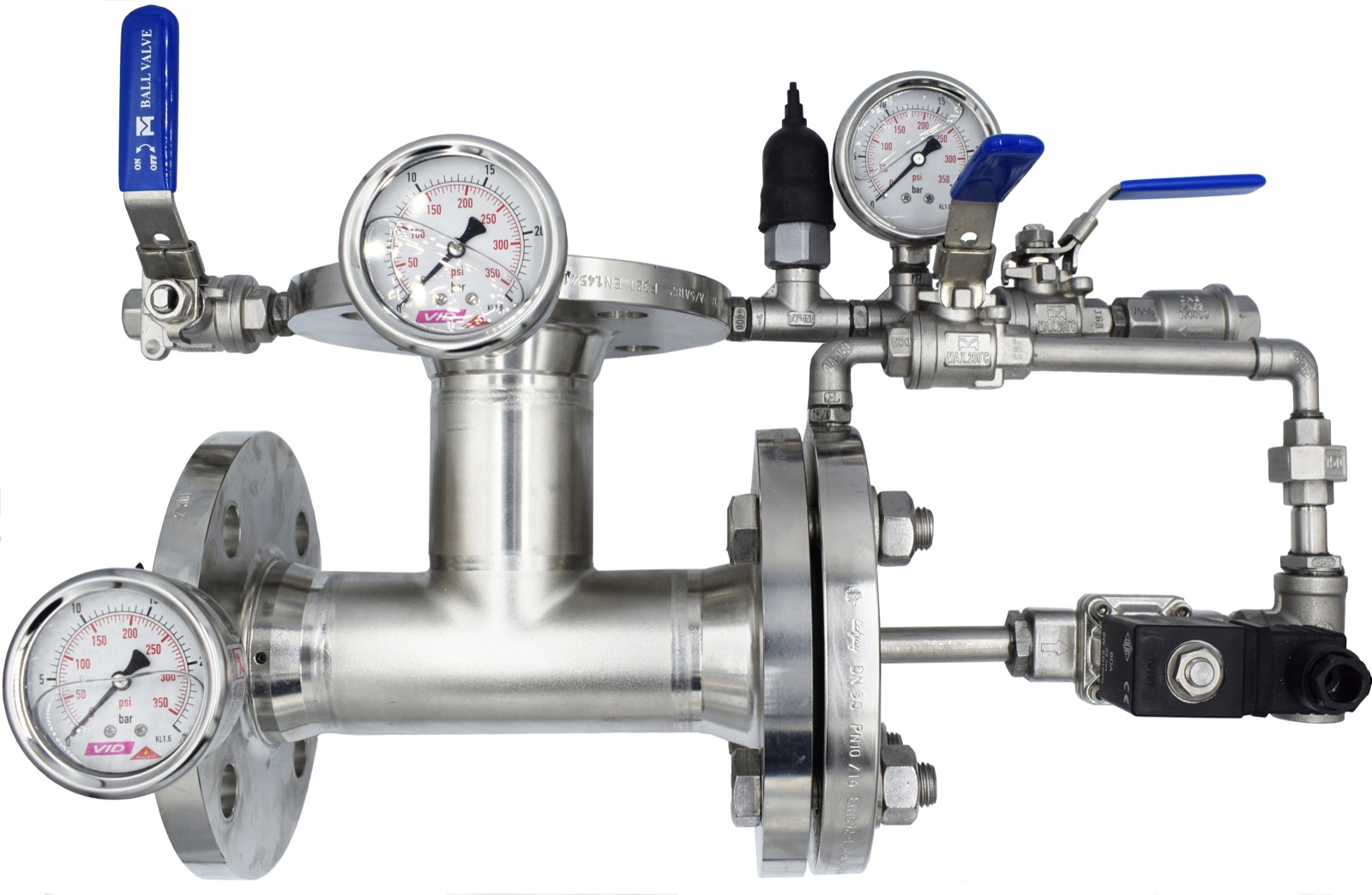
System integration determines real-world effectiveness. Optimizing only one part of the system does not guarantee optimal results — every component must work together.